GLP-1 Care Companion

Support & Patterns Hub

AI Assistant (Non-medical)

Ask about GLP-1 updates & playbooks

Get concise, supportive summaries or action lists. No dosing or prescriptions—educational only.

Educational only. Always follow your clinician.

GLP-1 Updates & Playbooks

Your practical guide to GLP-1 therapy

Evidence-aware strategies to manage nausea, protect muscle, and stay hydrated.

Nausea Management

Small, gentle, upright eating

4–6 mini meals with protein first and bland bases for comfort.

Muscle Protection

Preserve lean mass during weight loss

Strategic protein timing and resistance training to maintain strength.

Hydration & Safety

Steady fluids and low-sugar awareness

8–10 cups daily with ORS support and 15/15 rule for safety.

Core Playbooks

Master the fundamentals

Detailed, step-by-step guidance for the most common GLP-1 challenges.

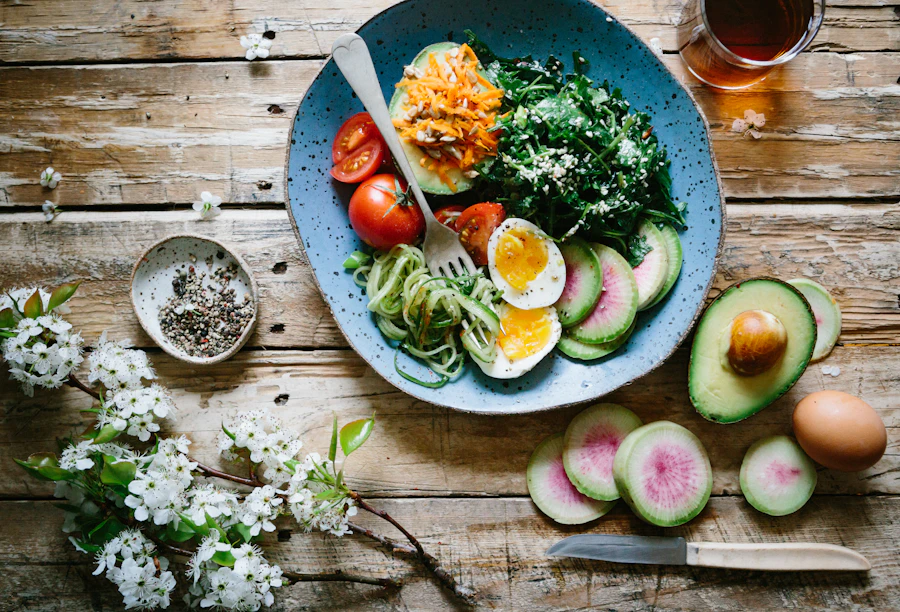
Healthy meal preparation

Nausea Management Toolkit

Small, gentle, upright eating

Comprehensive strategies to reduce nausea and maintain steady intake during GLP-1 therapy.

Meal Structure

  • 4–6 mini meals spaced 2–3 hours apart; avoid large volumes.
  • Protein first (20–30g), then add carbs after tolerance improves.
  • Keep portions palm-sized; stop at mild fullness.
  • Eat seated, chew slowly, and pause between bites.

Food Choices

  • Bland bases: white rice, potatoes, toast, plain oats, broths.
  • Gentle proteins: eggs, fish, tofu, Greek yogurt, clear whey.
  • Avoid: heavy cream, fried foods, very spicy/acidic dishes.
  • Add ginger tea, peppermint, or lemon water for comfort.

Post-Meal Habits

  • Stay upright 30–60 minutes after eating (sit or walk gently).
  • Avoid lying flat or bending over immediately after meals.
  • Sip water slowly; avoid chugging large amounts with food.

When to Call Your Clinician / GP

  • Persistent vomiting preventing fluid or food intake.
  • Blood in vomit or stool, severe abdominal pain, or fever above 38°C (100.4°F).
  • Signs of dehydration: dark urine, dizziness, rapid heart rate.
Protein rich foods

Muscle Protection Protocol

Preserve lean mass during appetite dips

Strategic protein timing and resistance work to maintain muscle while losing weight on GLP-1.

Daily Protein Targets

  • Aim for 1.6–2.2g per kg of target weight / 0.7–1.0g per lb (confirm with clinician).
  • Example: 75kg (165 lbs) target = 120–165g protein daily.
  • Distribute evenly: breakfast, lunch, dinner, and one snack.
  • Track for 3–5 days to learn your baseline and adjust.

Low-Volume Protein Sources

  • Clear whey isolate (25g per serving / ~30ml scoop, easy on stomach).
  • Greek yogurt / quark (15–20g per 240ml cup, cold and soft).
  • Eggs (6g per egg, versatile and gentle).
  • White fish or tofu (20–25g per 100g / palm-sized portion).
  • Cottage cheese / fromage frais (14g per 120ml / half cup, easy prep).

Resistance Training

  • 2x per week: focus on major muscle groups (legs, back, chest).
  • Exercises: squats, rows, presses, carries with bands/dumbbells.
  • 2–3 sets, light-to-moderate load, controlled tempo.
  • Stop if dizzy; clear intensity with your clinician first.

Timing Tips

  • Have protein within 1–2 hours of resistance sessions.
  • Pair with small carb portion (rice, potato) post-workout.
  • Keep a ready-to-drink protein option for low-appetite days.
Water and hydration

Hydration & Safety Protocol

Steady fluids and low-sugar awareness

Practical hydration strategies and safety steps for suspected low blood sugar episodes.

Hydration Schedule

  • Baseline: 8–10 cups (2–2.5 litres / 64–80 fl oz) water daily, adjusted for activity.
  • During nausea flares: 120–240ml (4–8 fl oz) every 15–20 minutes, small sips.
  • Room-temp or slightly cool often feels easier than ice-cold.
  • Avoid chugging; steady sips prevent discomfort and reflux.

Electrolyte Support

  • Use ORS (oral rehydration solution) if lightheaded or intake is low.
  • Salty broths (chicken, vegetable) count toward fluids and electrolytes.
  • Avoid high-sugar sports drinks; use low-sugar electrolyte tabs.
  • Monitor urine color: pale yellow is ideal; dark signals dehydration.

Low Blood Sugar (Hypoglycemia) Safety

  • Symptoms: shaking, sweating, confusion, rapid heartbeat, hunger.
  • 15/15 Rule: 15g fast carbs (juice, glucose tabs, honey), wait 15 min, recheck.
  • If symptoms persist or worsen, contact your clinician immediately.
  • Never adjust medication doses on your own; always consult first.

Emergency Signs

  • Severe confusion, loss of consciousness, or seizure-like activity.
  • Unable to swallow or keep fluids down for 12+ hours.
  • Rapid heartbeat with chest pain or severe dizziness.

Clinical Preparation

Be ready for your appointments

What to monitor and how to communicate effectively with your healthcare team.

🚨 Safety Checklist

Pause and call your clinician / GP immediately if you notice:

  • Severe abdominal pain that doesn't improve with rest or position changes.
  • Persistent vomiting preventing fluid or food intake for 12+ hours.
  • Blood in stool or vomit, or black/tarry stools (melaena).
  • Fever above 38°C / 100.4°F with abdominal symptoms.
  • Confusion, severe sweating, or shaking suggesting low blood sugar (hypoglycaemia).
  • Rapid heartbeat, fainting, or chest pain at rest.
  • Signs of dehydration: dark urine, extreme thirst, dizziness when standing (orthostatic hypotension).
  • Severe fatigue preventing normal daily activities.

📋 Data to Log for Visits

Bring concise, organized notes to your appointments:

Nutrition & Intake
  • Meal timing, portion sizes, and what you tolerate best.
  • Protein estimate per meal (use app or rough tracking).
  • Foods/textures that trigger nausea or feel easiest.
  • Daily fluid intake (water, ORS, broths) in ounces.
Symptoms & Patterns
  • Nausea severity by day (dose day vs days 2–7).
  • Energy levels and lightheaded episodes (time, what helped).
  • Bowel changes (constipation, diarrhea, frequency).
  • Sleep quality and any mood changes.
Activity & Weight
  • Weekly weight trend (same time/day, consistent scale).
  • Resistance training frequency and any dizziness during exercise.
  • Daily steps or general activity level.

💡 Pro Tips for Success

  • Start a simple log: Use your phone notes or a basic app to track meals, symptoms, and hydration for 3–5 days before appointments.
  • Take photos: Snap pictures of your meals to help estimate portions and discuss with your clinician.
  • Set reminders: Use phone alarms for protein timing, hydration check-ins, and medication doses.
  • Prep questions: Write down 2–3 specific questions before each visit (e.g., "Should I adjust protein target?" or "Is this nausea pattern normal?").
  • Bring support: If possible, have a family member or friend join appointments to help remember details.
  • Be honest: Share what's really happening—skipped doses, struggles with intake, or concerns. Your clinician can only help with accurate information.

🤖 Ask about GLP-1 strategies

✨ AI Assistant

Get quick, non-medical guidance on nausea management, hydration, or meal planning.

⚠️ Educational only. Not medical advice, dosing, or prescriptions. Consult your clinician.